

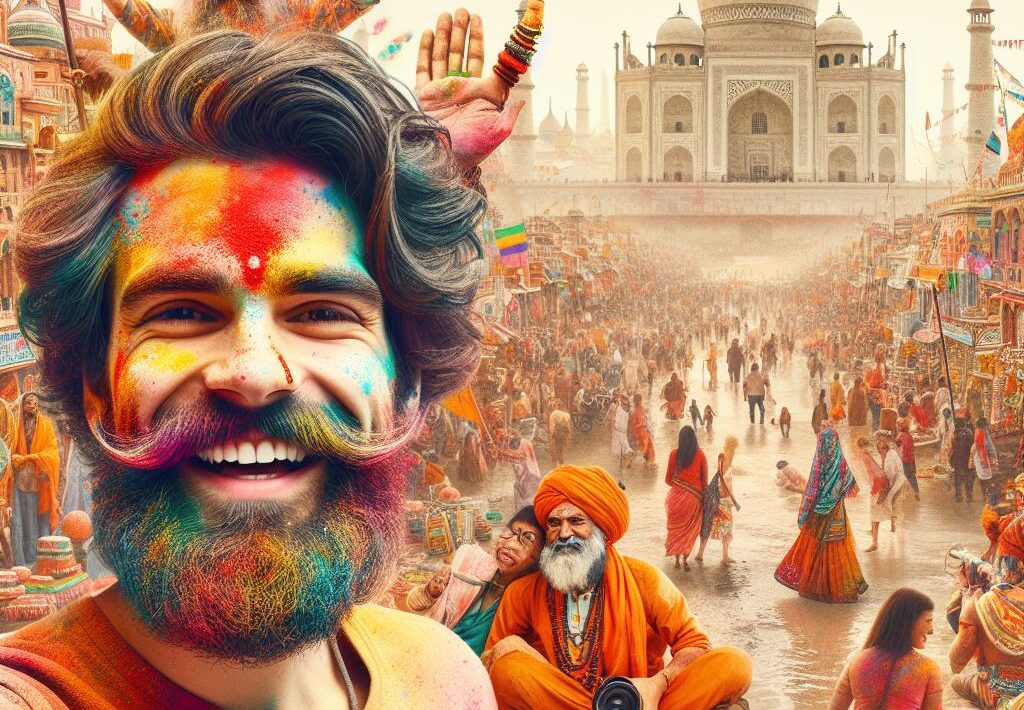
India, every 15 days: how to travel a country that refuses to sit still
India’s Golden Triangle—Delhi, Agra, Jaipur—remains the smartest introduction to the country: dense with Mughal architecture, Rajput fortresses and easily connected in a week. It’s the perfect spine for a first itinerary. But India does not hold a pose. Every fortnight, something blooms, opens, shuts or erupts into celebration somewhere else—often for just days. If you plan once and lock it in, you’ll miss the moving parts. Below is a fortnight-minded field guide: time-sensitive highlights that layer naturally on top of a Golden Triangle trip, so your route reflects what India is actually doing while you’re here.
The 15-day ledger: what’s “live” when you arrive
Late August–mid October — Dawn pink, rain power
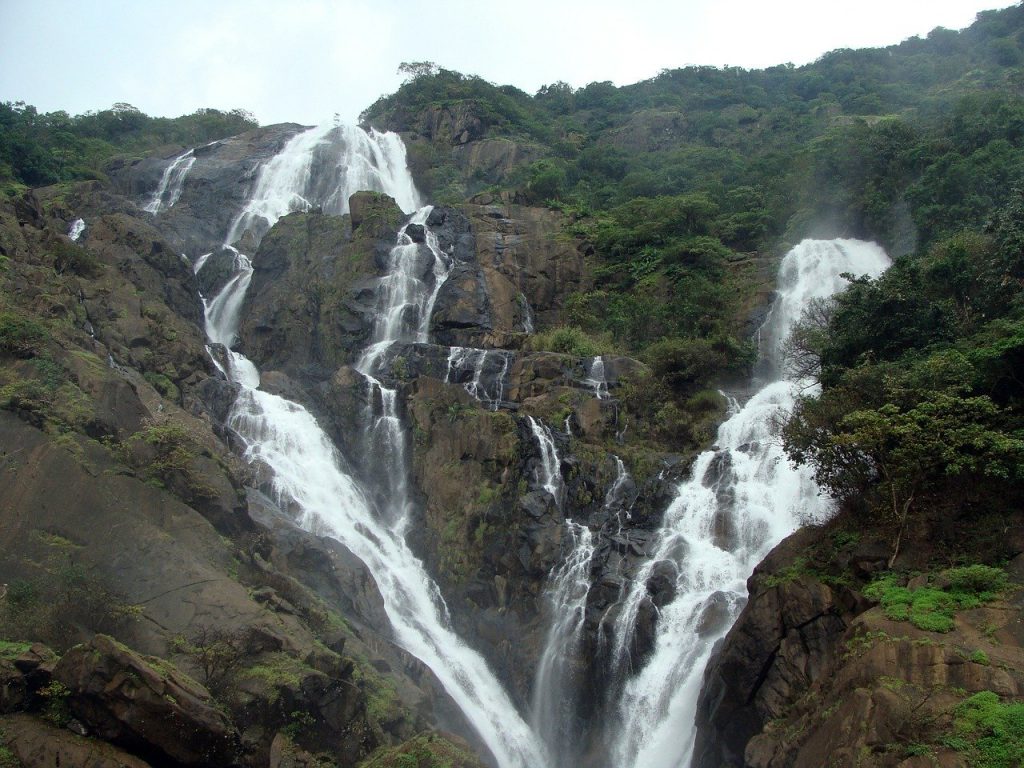
- Monsoon waterfalls at full voice: Athirapally–Vazhachal near Thrissur are at their most dramatic June–October; access can be weather-dependent but the spectacle is precisely why people go. If you’re Bengaluru-based, the Mekedatu gorge swells dangerously in peak rains—come post-monsoon (Sept–Dec) for safer flows and clearer views.
- Malarikkal’s water lilies, Kerala (Kottayam): A short, fragile season—roughly mid-August to October—turns paddy fields into sheets of pink lilies at daybreak. Miss the window and you’ll just see fields. Go early morning, and only in this brief monsoon tail.
- Snake-boat season: Kerala’s iconic Nehru Trophy Boat Race and other boat races like CBL run through out these months.
October–mid November — Autumn turns the dial to “rare”
- Saffron in bloom, Kashmir: In Pampore, saffron flowers open for just a few weeks from late October to mid-November. This is harvest time; go any earlier or later and fields are bare.
- Shillong’s cherry blossom: Meghalaya’s autumn cherry blossom peaks mid–late November and anchors the Shillong Cherry Blossom Festival. It’s Asia’s only major autumn sakura show.
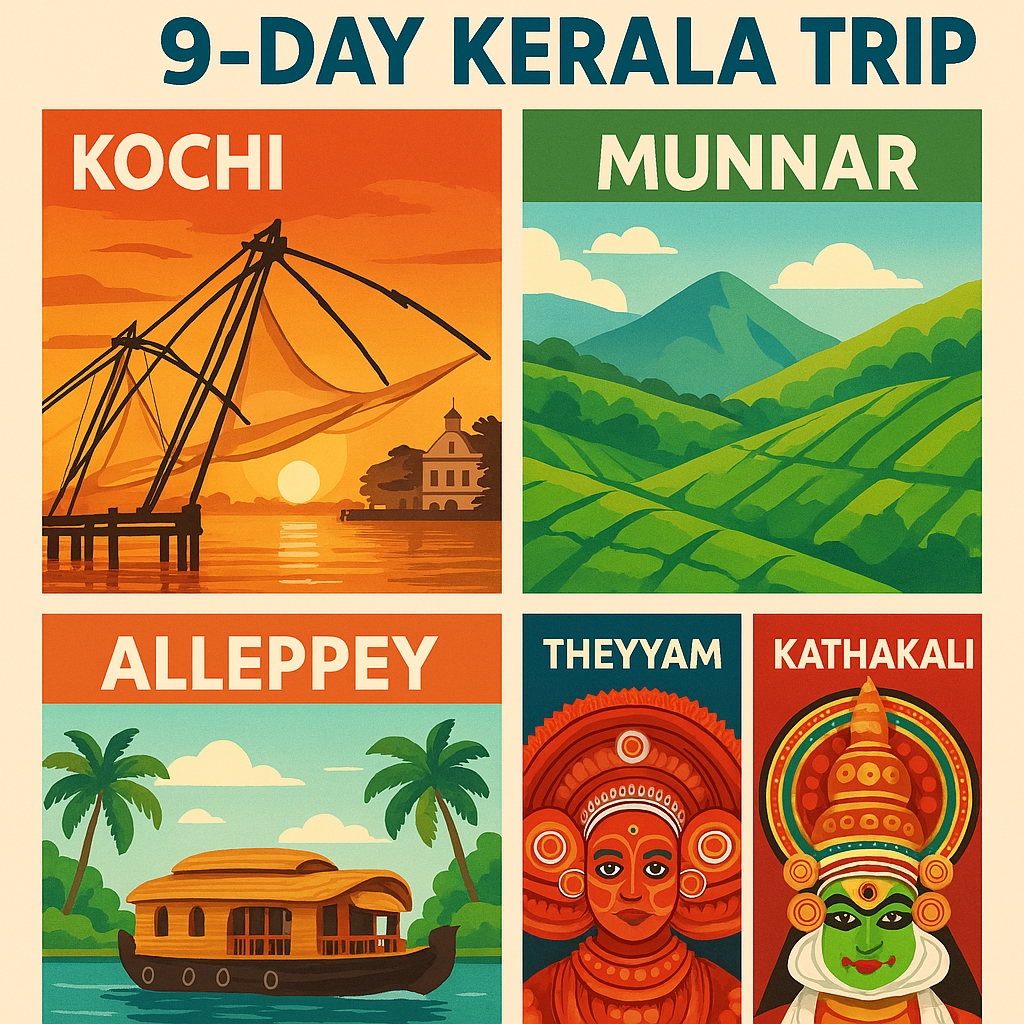
- Theyyam begins (north Kerala): From November to May, shrines in Kannur and Kasaragod host night-long Theyyam rituals—calendar-bound, not tourist-timed. Theyyam Calendar can be found here.
Mid November–December — Salt, lamps and winter skies
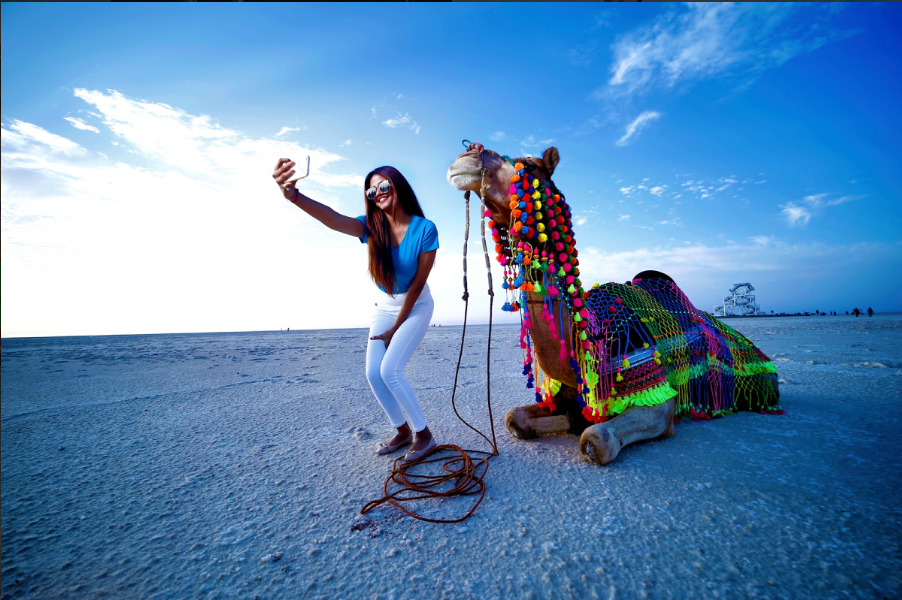
- Rann Utsav, Kutch: Through winter, the White Rann becomes a festival city; recent editions run November to February/March with moonlit salt-desert walks and folk nights. Check here for Rann Utsav date and itinerary.
- Dev Deepawali, Varanasi: On Kartik Purnima (Nov), a million diyas light the Ganga ghats On 2025 Dev Diwali falls on 5 Nov. If your Golden Triangle leg ends in Agra/Delhi, a Varanasi hop is a logical capstone.
January — Daring, ritual and winter colour
- Maha Kumbh (12-year cycle): In Prayagraj, the 2025 Maha Kumbh ran 13 Jan–26 Feb, with designated royal bathing days. If your dates coincide in a Kumbh year, it’s the world’s largest public gathering.
February–March — Colour season
- Jallikattu, Tamil Nadu: The bull-taming festival unfolds around Pongal (mid-January) in villages across Madurai and Sivaganga districts—an intense, very local tradition. (Dates vary annually with the Tamil calendar. You can refer dates here. )
- Holi: Celebrated on the full moon of Phalguna (usually March), Holi varies by place—from temple courtyards in Vrindavan to streets of Jaipur and Delhi. Build in a buffer day: colours linger.
Apr-May — Big drums and Summer holidays of India
- Thrissur Pooram, Kerala: The “mother of all Poorams”, with rival temple ensembles and caparisoned elephants, falls in Medam (April–May)—a single day that feels like a city-wide crescendo. You can book Trissur Itinerary and check out dates here.
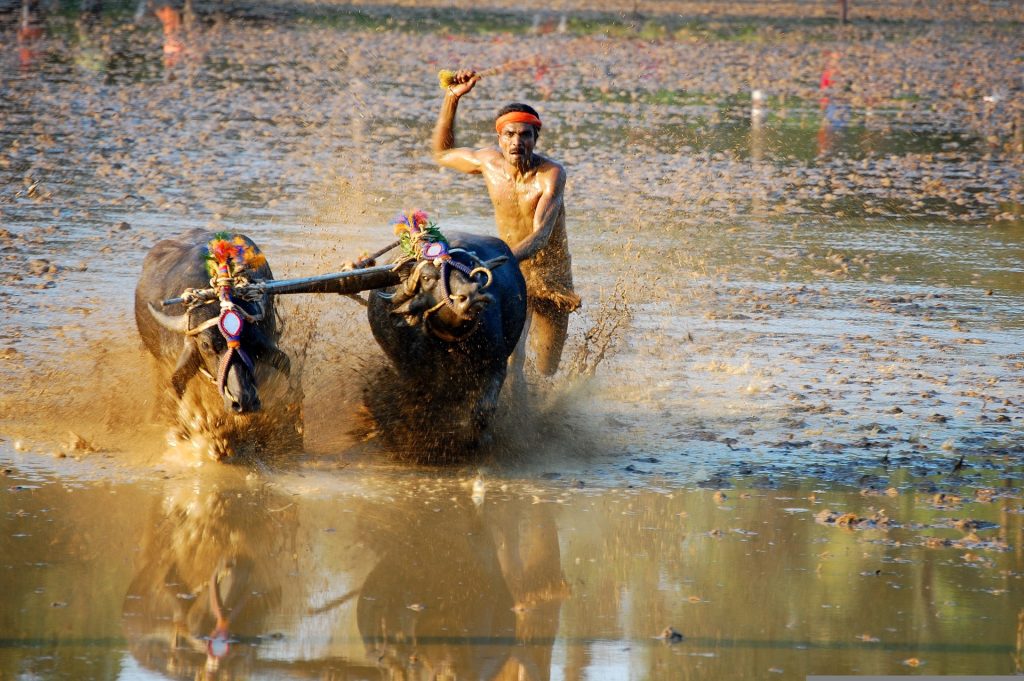
- Kambala, coastal Karnataka: The buffalo-racing season typically stretches Nov–Mar/Apr across Dakshina Kannada and Udupi; schedules are hyper-local, so you catch it by being in the region those months. We are experts in this itinerary.
- Theyyam’s closing stretch: If you missed it in winter, late-season April–May nights still stage outstanding rituals in North Malabar.
June–September — Know what shuts, and what roars to life
- Coastal islands close: St Mary’s Island (Udupi) bans tourist access 15 May–15 Sept under Harbour Craft safety rules; Netrani Island (Murudeshwar) diving largely pauses June–Sept due to rough seas and poor visibility.
- Waterfall prime time: Dudhsagar is at its most theatrical in the monsoon; Goa now runs managed monsoon treks (booked quotas) from June, while the classic jeep route reopens post-monsoon (mid-Oct–May). Athirapally and Mekedatu also peak in visual drama, with safety limits in high water.
- Onam window, Kerala: The ten-day festival lands Aug–Sept (date shifts by Malayalam calendar). Expect Pulikali (Tiger Dance) on the 4th Onam in Thrissur, boat races across the backwaters, and the Onasadya feast.
Festivals that define a lifetime (plan the year around these)
- Rath Yatra, Puri (Odisha): The chariots of Jagannath, Balabhadra and Subhadra roll out in June/July; the procession and return (Bahuda) bookend a week-long city-wide ritual.
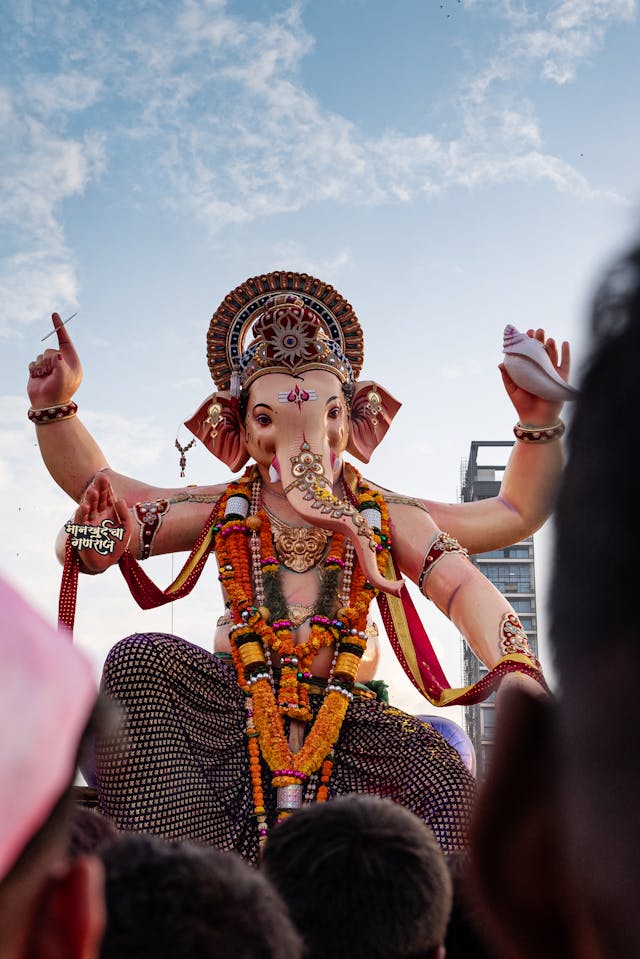
- Ganesh Chaturthi & Visarjan (Maharashtra): Late Aug/Sept kicks off ten days of pandals and ends in mass immersions (Anant Chaturdashi) on Mumbai’s shores—dates shift annually.
- Kulasekarapattinam Dasara (TN): A Navaratri outlier where thousands arrive as deities in body paint; Sept–Oct on the coast near Thoothukudi.
- Snake-boat races (Kerala): Beyond the Nehru Trophy, smaller regattas animate the backwaters through the monsoon; check district calendars if you’re anywhere near Alappuzha or Pathanamthitta.
Using the Golden Triangle as your “spine”
Keep Delhi–Agra–Jaipur as your cultural core—and add a 2–4 day bolt-on keyed to the fortnight you land. November? Tag on Kashmir saffron or Shillong’s blossom. January? Witness frozen Dal or Madurai Jallikattu. August? Onam and boat races if you swing south, or Ganesh if you go west. The point is simple: don’t pick a fixed plate—order à la carte, fortnight by fortnight.
Why this isn’t a list you can scrape—and who holds the “menu”
You won’t reliably get this from a single blog (or an AI search) because dates move, access windows open/close, and local committees confirm late. You need curators who hold the menu and aren’t nudging you toward hotels that pay the highest commission.
That’s the gap Travebrate fills: a dynamic itinerary engine that maps short-lived phenomena (blooms, openings, closures) and authentic festivals to your actual dates and route—then updates when the country changes its mind. Its aim is simple: no bias, no kickbacks—just the right thing at the right time.
And for the festival-first traveller, our Android App India Fest complements that with a live calendar of rituals and mega-events—Theyyam (Nov–May), Kambala (Nov–Mar/Apr), Thrissur Pooram (Apr/May), Rath Yatra (Jun/Jul), Onam & Pulikali (Aug/Sept), Dev Deepawali (Nov)—so you can see the original, where it belongs, not an imitation staged for tourists.
Quick, practical guardrails
- Coasts shut in the rains: Plan St Mary’s and Netrani outside mid-May–mid-Sept; dive windows are Oct–May.
- Monsoon is waterfall cinema: Dudhsagar is trek-only (managed) in rains; jeeps resume post-monsoon.
- Festivals move with lunar calendars: Always confirm the exact date for Holi, Rath Yatra, Onam day, Dev Deepawali and Dasara for your year. Alternatively, log in to India Fest app, where we have already updated upcoming colorful festivals of India.