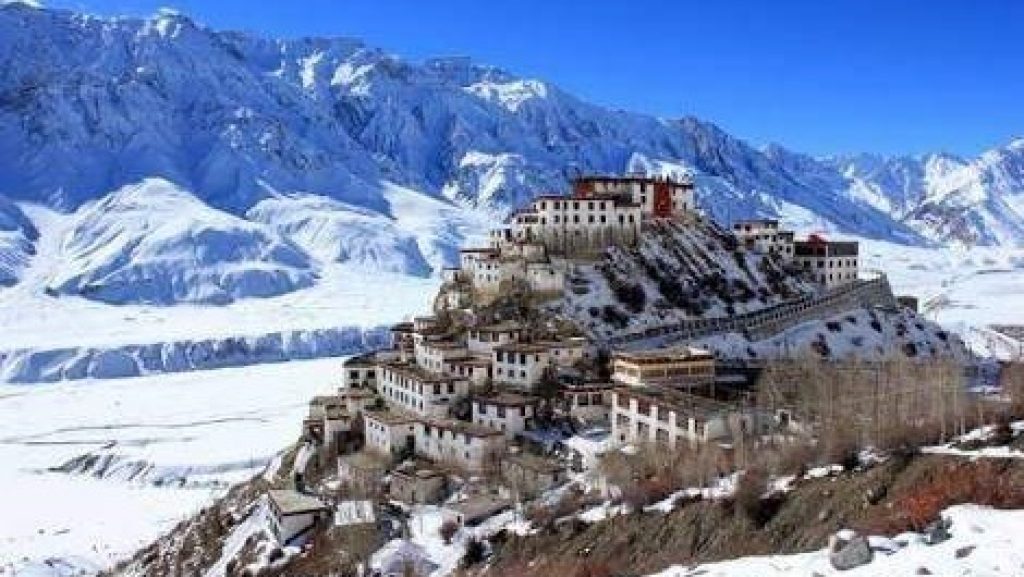
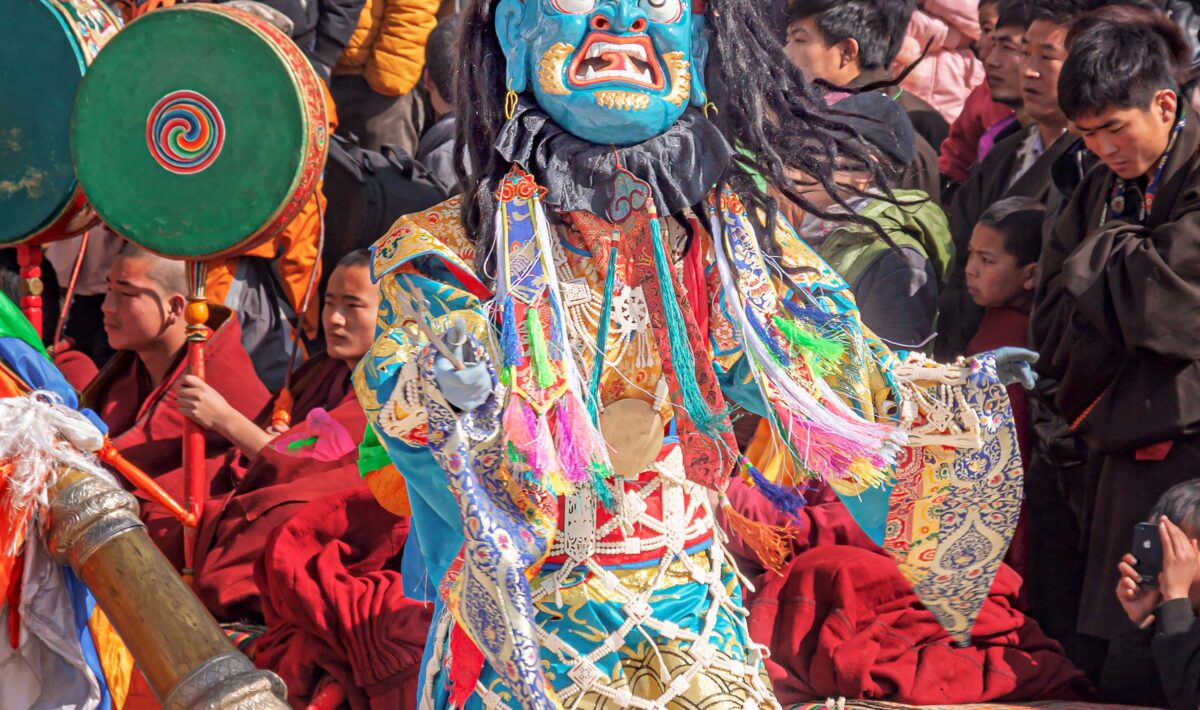
The Guitor festival (widely recognized in the region as a Gustor) at Key Monastery is one of the most culturally significant events in Spiti Valley. At Travebrate, our focus is on connecting travelers with living history. If you are a Traveler or content creator looking to document traditional Tibetan Buddhist practices, this festival provides a raw, unfiltered look at a centuries-old tradition.
When is Gustor this year?
This year, the Key Gustor festival in Spiti Valley is scheduled for July 12 and 13, 2026. This two-day annual observance is held at the historic Key Monastery, making it a prime time to visit Spiti and witness the triumph of virtue over vice through ancient rituals.
The Main Event: Cham Mask Dances
The core of the festival is the sacred Cham dance. Monks don heavy, intricate masks representing protective deities, demons, and historical figures. The movements are slow, rhythmic, and deliberate, accompanied by the deep resonance of long Tibetan horns (dung-chen) and cymbals.
The ritual culminates on the second day with the burning of the ‘Torma’—a sacrificial butter sculpture of a demon—symbolizing the destruction of negative forces for the coming year.
A Photographer’s Field Guide
Documenting the festival requires logistical planning and cultural awareness. Here is what you need to know before you arrive:
- Access and Angles: Key Monastery is a multi-tiered, fortress-like structure. The central courtyard fills up quickly with locals. Arrive by 7:30 AM to secure a vantage point on the upper terraces, which allows you to shoot downward and capture the full circular motion of the dances.
- Managing the Light: The high-altitude sun at 13,600 feet creates harsh shadows by midday. Expose for the highlights on the vibrant silk costumes so you don’t blow out the details.
- Cultural Etiquette: Never use flash inside the prayer halls or when photographing ancient murals. During the festival, the monks are performing a religious duty, not a show. Keep a respectful distance, and always ask permission before taking close-up portraits of monks when they are off-duty.
- Gear and Pacing: The dances last for hours. Bring a versatile zoom lens (like a 24-70mm or 70-200mm) to switch between wide courtyard shots and tight mask details without needing to move through the crowd. Pack spare batteries and keep them close to your body—the cold morning air drains lithium-ion batteries rapidly.
Nearby Destinations to Cover
Spiti Valley requires long driving days, so it makes sense to build a circuit around the festival dates.
- Kibber Village: Located a short drive higher than Key Monastery, Kibber offers stark, dramatic landscapes and is a prime base for spotting local wildlife.
- Langza: Known as the fossil village. The 30-meter seated Buddha statue overlooking the valley provides a massive sense of scale for wide-angle landscape shots.
- Dhankar Monastery: A 12th-century structure clinging to a cliff edge. The hike up to Dhankar Lake (4,140m) offers a mirror-like reflection of the surrounding peaks.
- Tabo Monastery: Often called the “Ajanta of the Himalayas.” Founded in 996 AD, it houses preserved clay-plastered meditation caves and intricate, 1,000-year-old murals.
Plan with Travebrate
As the founder of Travebrate, my goal is to ensure you experience India’s traditional regional festivals with proper context and pacing. We do not operate like a standard travel agency—we do not book your flights or hotels.
Instead, we focus entirely on crafting a bespoke itinerary for you over two dedicated consulting calls. We map out the logistics, the optimal routes, and the cultural nuances so you can focus strictly on your photography and content creation.
Ready to map out your Spiti circuit? Plan your itinerary with us here: https://travebrate.com/plan-your-india-trip/