

So you’re coming back to India. You did the Golden Triangle last time, Delhi, Agra, Jaipur, the Taj at dawn, and somewhere between the chaos and the colour, India got under your skin. It felt more welcoming than you expected, safer than the stories suggested, and far too big to have seen in one trip. Since then, your Instagram has quietly filled with India, a festival you’d never heard of, a green hillside, a temple lit with a thousand lamps. Maybe you’ve already circled a place or two. Maybe a festival. This time you want to go deeper, not faster.
That is exactly what we help with. Below is not a fixed list to tick off. It is a menu, a way to think about a second India trip built around what pulls you, whether that is a place, a festival, a season, or a slower kind of travel you didn’t have time for the first time.
If you don’t yet have a place in mind: eight to consider
These are not the usual first-timer stops. Each rewards a traveller who already knows a little of India and wants something with more texture.
- Udupi, Karnataka. A temple town on the west coast, famous for its Krishna temple, its cuisine, and quiet beaches nearby. Our own home base, and a gentle window into coastal South India.
- Thanjavur (Tanjore), Tamil Nadu. The heart of the Chola legacy, with the towering Brihadeeswarar Temple, classical music and dance, and Tanjore’s famous paintings.
- Kerala. Backwaters, tea hills, Ayurveda, ritual art, and the green calm of the south. A region, not a stop, and one you can return to many times.
- Goa. Beyond the beaches, old Portuguese churches, Latin quarters, spice plantations and a food culture all its own.
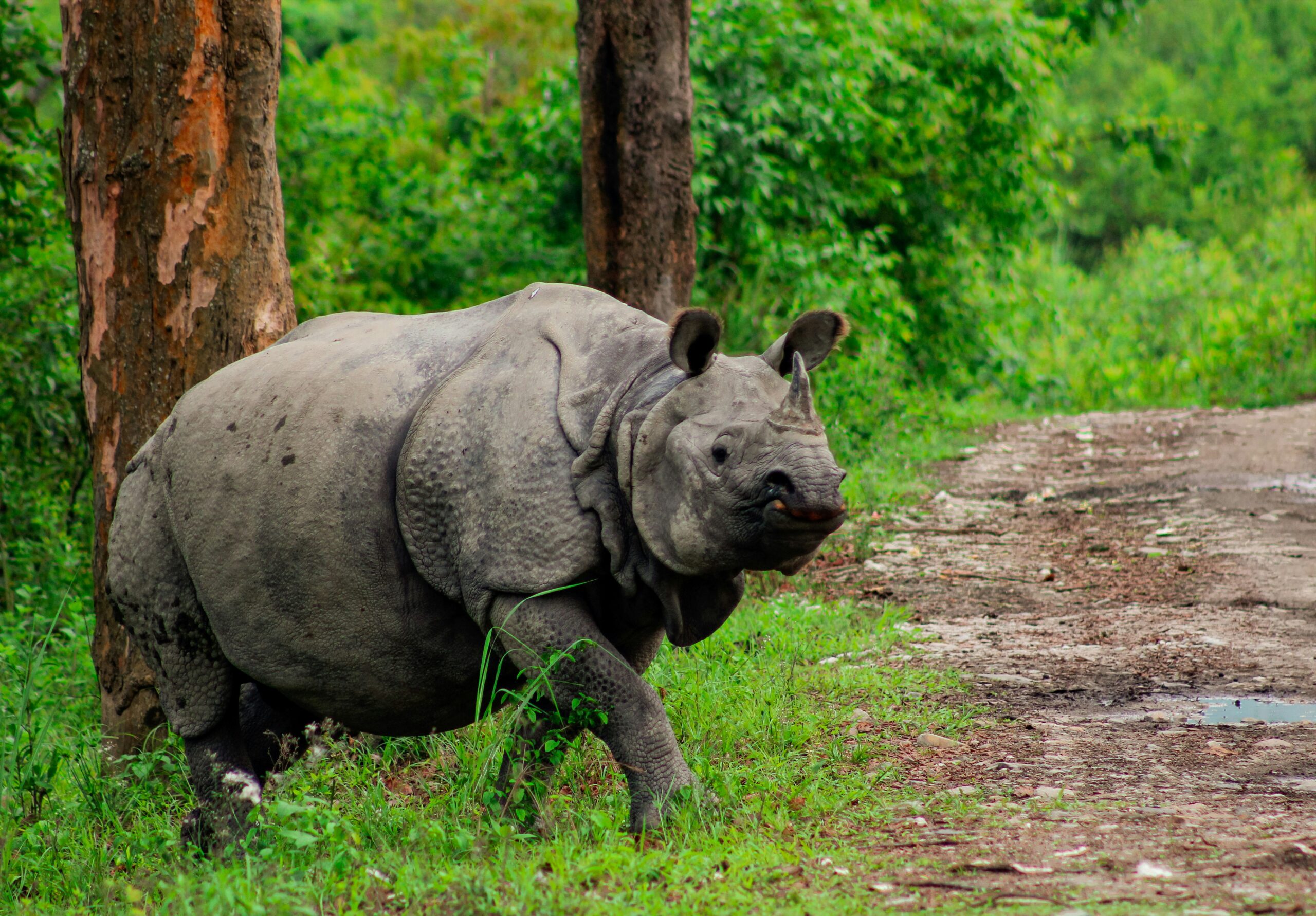
- Kaziranga, Assam. The great grasslands of the northeast, home to the one-horned rhino, and one of India’s finest wildlife experiences.
- Varanasi. The spiritual heart of India on the Ganga. If you didn’t reach it last time, few places will move you more.
- Ajanta and Ellora, Maharashtra. Rock-cut caves of astonishing scale and age, carved with Buddhist, Hindu and Jain art over centuries.
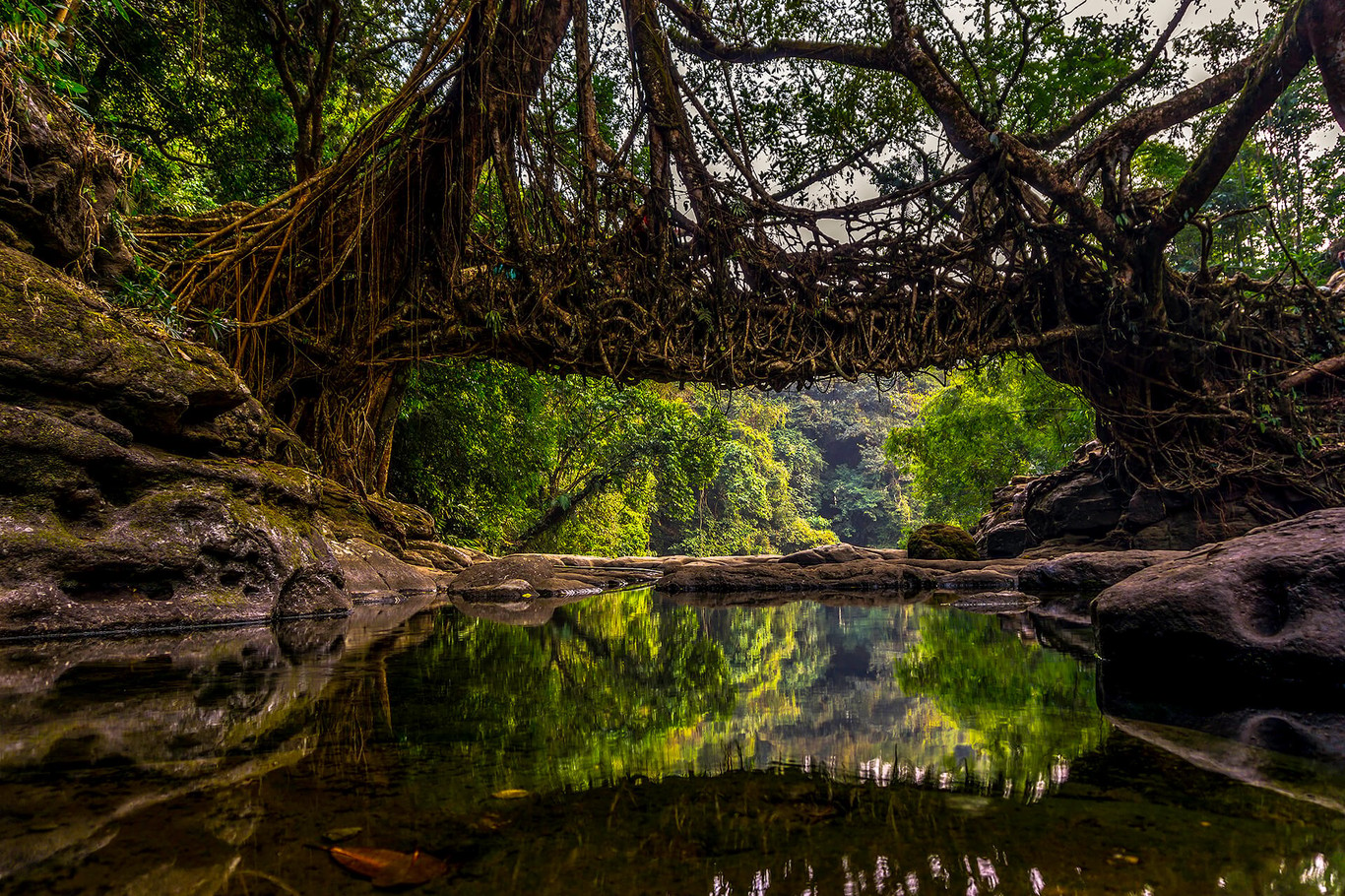
- Meghalaya. Living root bridges, some of the wettest, greenest country on earth, and a culture quite unlike the rest of India.
If a festival is what’s calling you
This is where India truly separates itself from anywhere else. If a festival is the reason you’re returning, we can build the whole trip around its date. A few worth planning for:
- Holi in the north, in its many regional forms (including Lathmar Holi), and Diwali, the festival of lights.
- Dev Diwali in Varanasi and the Pushkar Camel Fair in Rajasthan, which in 2026 both peak on the same day, Kartik Purnima.
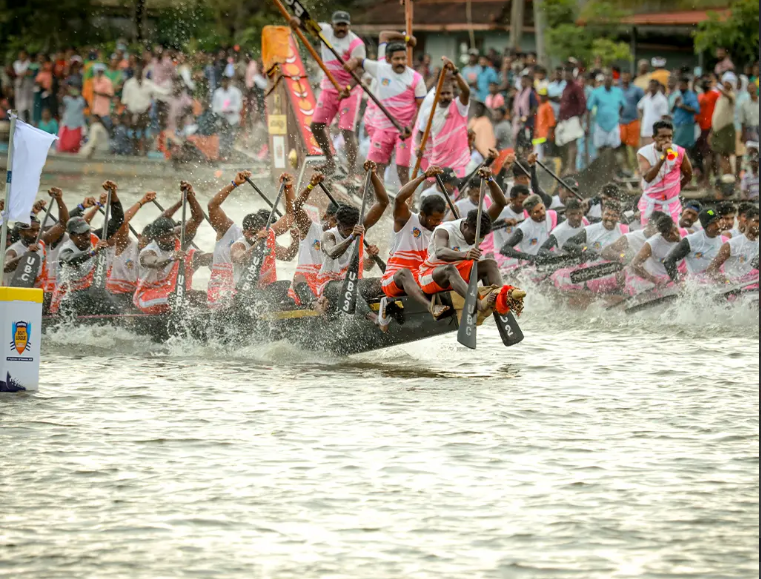
- The snake boat races of Kerala, the buffalo races of Kambala in coastal Karnataka, and Jallikattu in Tamil Nadu.
- The masked Cham dances and Tshechus of the Himalayan and Ladakh monasteries (such as the Gustor festival), and the great Rath Yatra of Odisha.
- And rarest of all, 2026 into 2027 brings two Kumbh Melas, the largest gatherings of people on earth.
Or let the season decide
India changes completely with its seasons, and some of its finest sights have narrow windows. Come at the right time and you catch things most travellers miss:
- The monsoon in Kerala in full green force, and the red water lilies of Malarikkal in July and August.
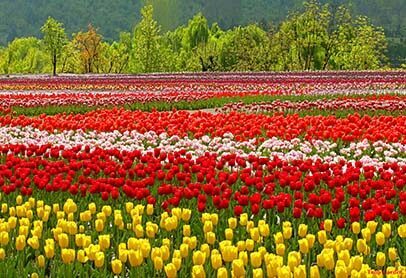
- The tulips of Srinagar in March and April, one of Asia’s largest tulip gardens against the Himalayas.
- Classical Indian dance festivals at Mamallapuram and Thanjavur in December and January.
- Apple-picking season in Shimla and the Himachal hills, roughly August to October.
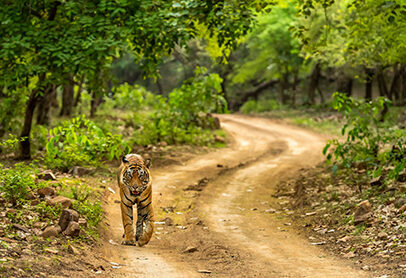
- Wildlife safaris that follow their own calendars. Summer can be the best time in parks like Ranthambore, when tigers come to the water sources and are easier to spot. Others are closed or difficult in certain months due to rain, flooding or extreme cold. We will talk you through which park suits which season on our call.
This time, you have room to go slower
A second trip usually means a little more time, and less of a rush. That opens up the experiences a quick first visit never allows:
- Witness a Theyyam or a Bhootha Kola, the overnight ritual art of the south, where a performer becomes a deity.
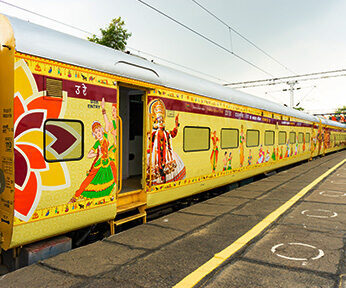
- Travel the way India does, by train, perhaps in a comfortable 3AC coach, watching the country roll past your window.
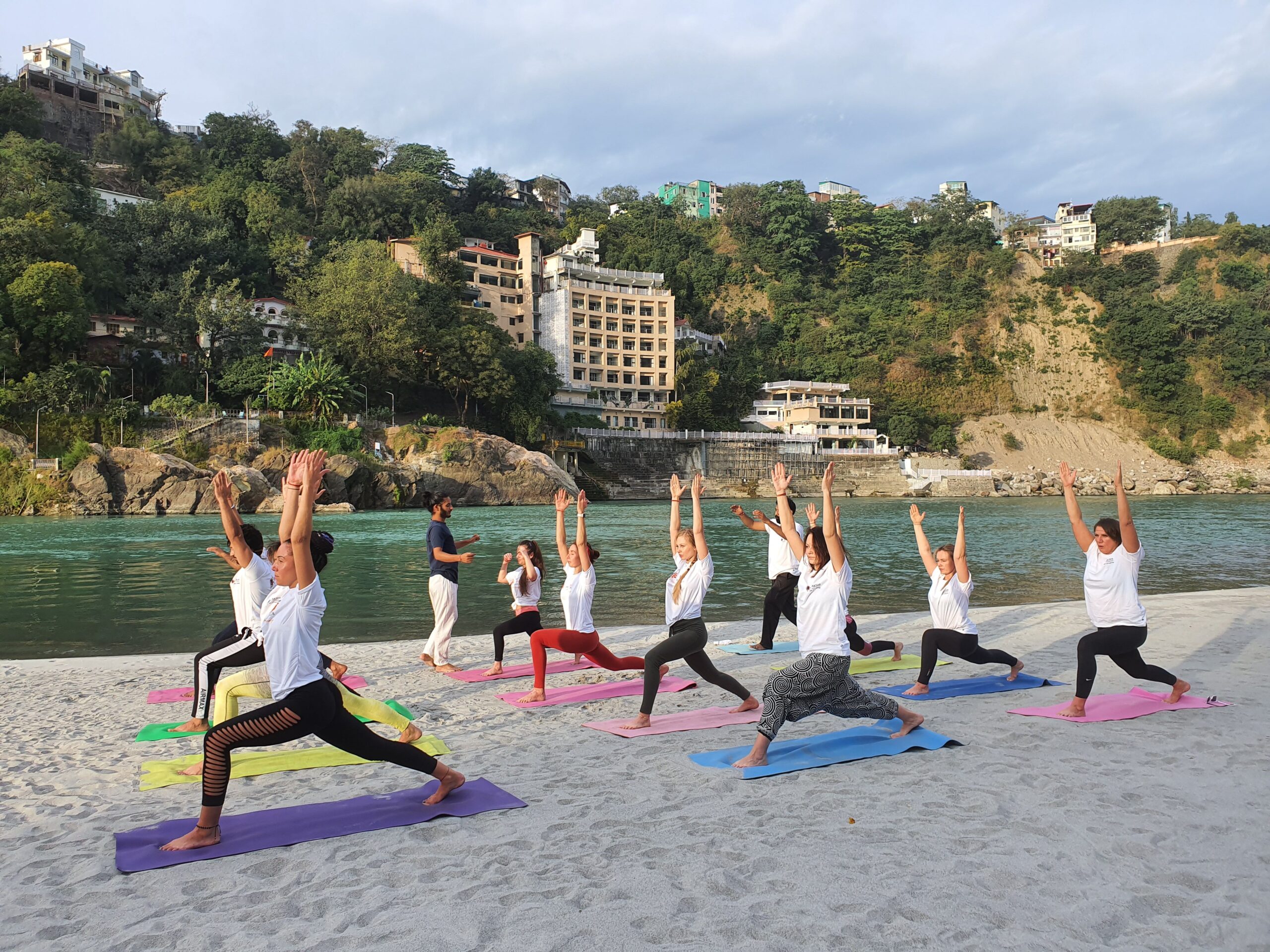
- Go deeper into yoga in Rishikesh, Hampi or Kerala, or a proper course of Ayurveda in Kerala.
- Find stillness in meditation around Bengaluru, India’s technology capital, which is also home to some of the country’s best-known meditation centres.
Here’s how we help
You don’t have to piece all of this together alone. Tell us what’s drawing you back, a place, a festival, a season, or just a feeling, and we will build a second-trip itinerary around it. We track over 300 festivals and know the seasons intimately, so we time your trip to catch the right moments and steer you away from the wrong ones.
Two things we should say plainly. If you have already done the Golden Triangle, we happily skip it and take you deeper. But if this is your second visit and you somehow missed it the first time, we may gently suggest you do it now, because some things really are worth seeing once. And we do not book your flights or hotels. We craft the plan and hand you a day-by-day PDF. You then book it yourself through an OTA, or through a travel agent approved by IATA, whichever you prefer. Our planning is a flat USD 100.
It works simply: two calls with you to understand what you want, a menu of India shaped to your dates and interests, and then your itinerary. No booking pressure, no commissions, just a plan built around you.
Plan your second India trip
Tell us what’s calling you back, a place, a festival, or a season, and we will build a deeper India itinerary around it, beyond the Golden Triangle.
Plan my trip on WhatsApp Plan your India tripCustom India itineraries from USD 100 · We craft the experience; you book the trip your way.