

Some places you visit. Kerala you feel. It arrives as a series of postcards —
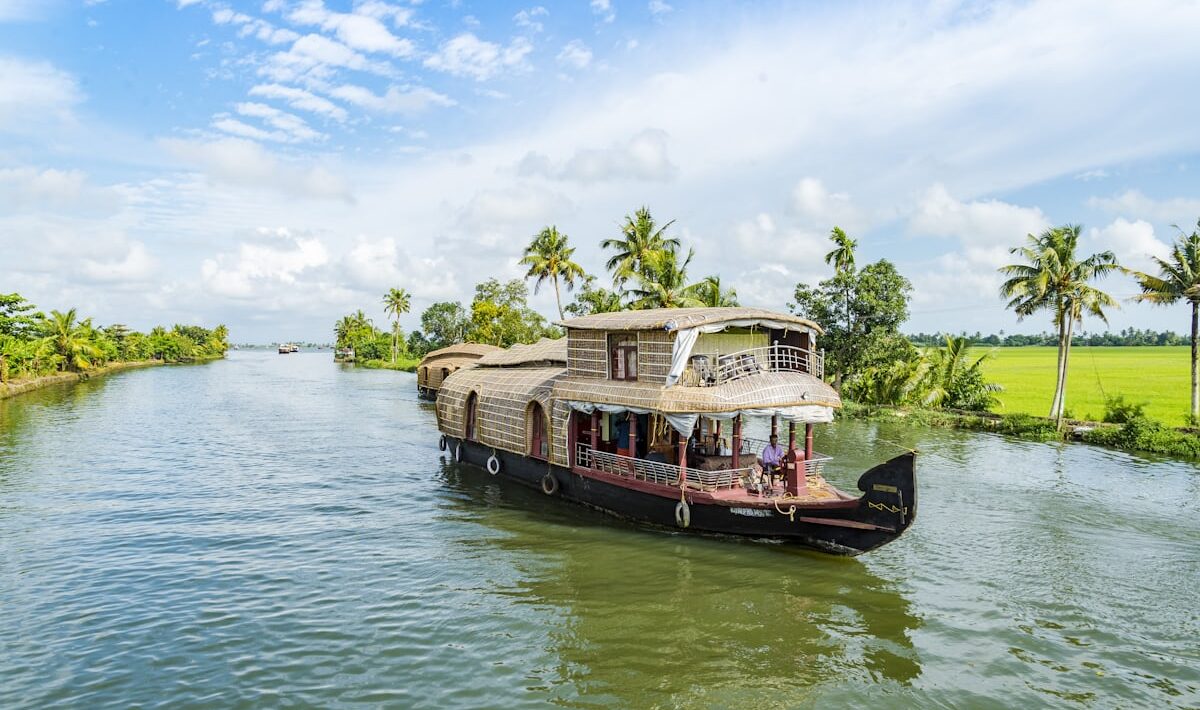
a low wooden houseboat sliding through Alleppey’s green backwaters at dusk; mist lifting
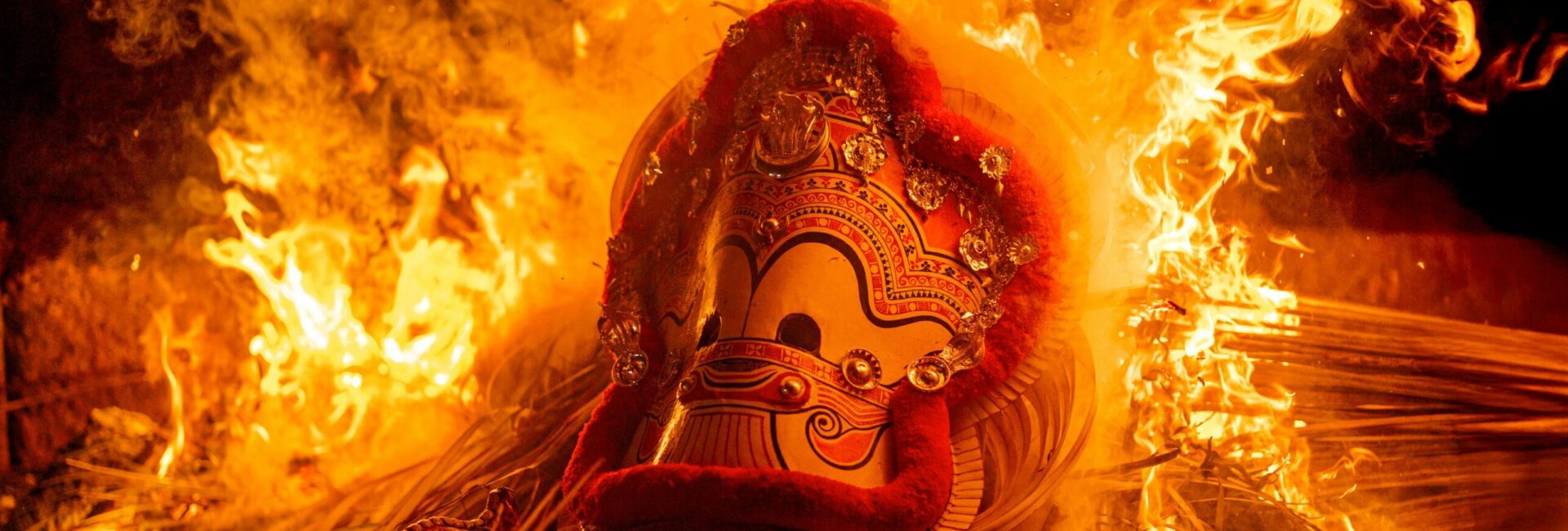
off the tea slopes of Munnar at first light; a red-and-gold Theyyam dancer becoming a god
before a village shrine at 4 a.m.; the slow drip of warm oil in an Ayurveda room while
monsoon rain drums on the roof. This is India’s south at its most unhurried and its most
intensely alive at the same time.
At Travebrate, we plan Kerala the way it deserves to be experienced —
timed to the season and woven around what’s actually happening while you’re there.
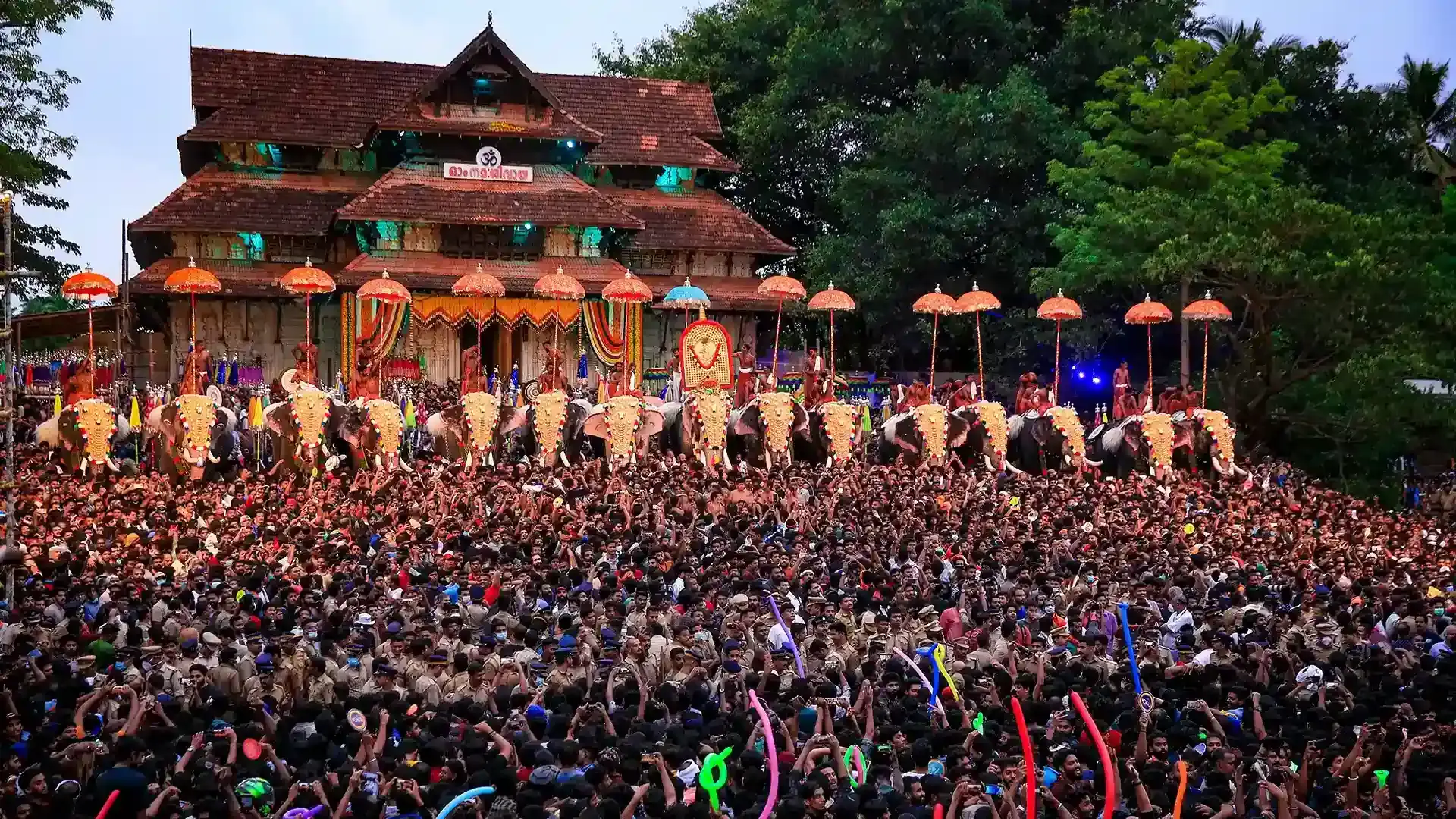
The backwaters are lovely any month; but land in the right week and you could be watching
100 oarsmen drive a snake boat down Punnamada Lake, or standing in a lamp-lit courtyard as a
Theyyam performer channels a centuries-old deity. We don’t just tell you where to go. We tell
you when — and why it matters.
How we plan Kerala: two calls, a curated set of options, and a
day-by-day PDF itinerary tuned to your pace — culture-rich and colorful, or calm and
restorative if that’s what you’re after. Nothing is a push from us. You choose; we plan
around your choice. Flat fee: USD 100.
When to go: Kerala by season
October to March (cool & dry — peak season). The easiest, most
comfortable window. Backwaters are glorious, the hills are crisp, and — crucially — this is
Theyyam season
in North Kerala, which runs roughly from late October to late
May and peaks around November–December with performances almost every day near Kannur and
Kasaragod. December is also the sweet spot for pairing Kerala with the Tamil Nadu music
festivals just across the border (more on that below).
April to May (hot, but rich in ritual). The plains get warm and humid, but
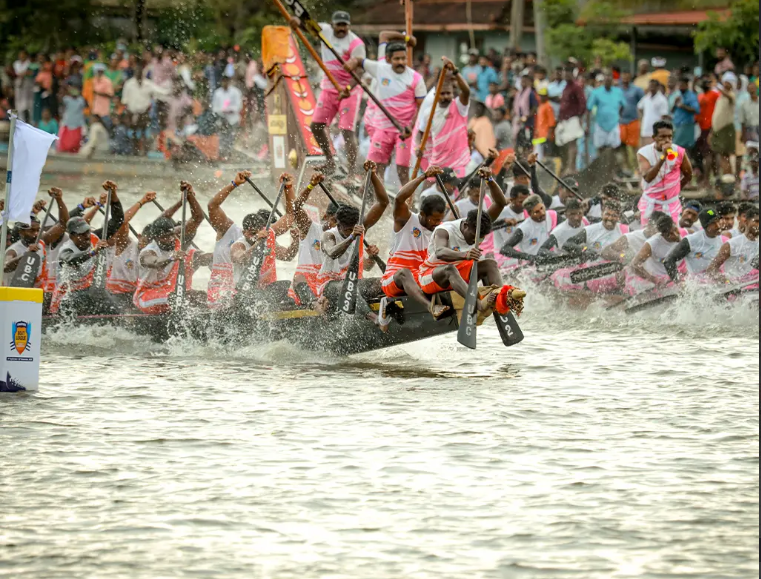
this is temple-festival season — drums, caparisoned elephants, and the great
poorams of central Kerala. Head to the hills (Munnar, Wayanad) to stay cool and dip
down for the festivals.
June to September (the monsoon). Fewer crowds, waterfalls at full roar, and
the traditional season for Ayurveda — practitioners consider the cool, humid
monsoon air ideal for treatment. It’s also Onam (Kerala’s harvest festival,
Aug–Sep) and boat-race season:
the famous
Nehru Trophy Boat Race falls on the second Saturday of August at Alleppey,
and the graceful, ritual Aranmula Uthrattadi Vallamkali
follows during the Onam days. Athirappilly Falls — Kerala’s widest — is at its thundering best now.
The places most travellers build around
Nearly every Kerala trip is stitched together from five anchors, and part of our job is
sequencing them so you’re never backtracking:
Kochi (Fort Kochi) — the cultural front door. Chinese fishing nets,
Portuguese-Dutch-British layers, spice warehouses, and daily Kathakali
performances you can watch up close (arrive early to see the elaborate makeup applied).
Munnar — rolling tea estates, cool air, and misty morning viewpoints in
the Western Ghats.
Alleppey (Alappuzha) — the backwaters and the classic overnight houseboat;
home of the snake-boat races.
Varkala — dramatic red cliffs above the Arabian Sea, quieter and more
bohemian than the big resorts.
Kovalam — the well-known beach near Thiruvananthapuram, lighthouse
views, and a gateway to southern Ayurveda retreats.
Add Thekkady (Periyar’s spice hills, and another reliable spot for daily
Kathakali and Kalaripayattu martial-art shows) and Wayanad (forested, green,
less trodden) and you have the full palette. Tell us your pace and we’ll pick the four or five
that fit — not all of them crammed into a week.
Choosing your Kerala itinerary
Kerala itinerary for 5 days. The essential loop for a first, unhurried
taste: Kochi’s heritage streets and an evening of Kathakali, up to Munnar’s tea country,
then down to Alleppey for a night on a houseboat. Enough to fall for the state without
rushing. →
See the 5-day Kerala itinerary
Kerala itinerary for 7 days. The same spine, with room to breathe —
add Thekkady’s spice hills, a slower stretch on the coast at Varkala or Kovalam, and a
genuine Ayurveda session rather than a token one. This is the length most first-time
visitors are happiest with. →
See the 7-day Kerala itinerary
Kerala itinerary built around culture. For travellers who come for the
living traditions, not just the scenery — timed to Theyyam season in the north, a temple
pooram, or the Onam boat races, with Kathakali and Kalaripayattu woven in.
This is where Travebrate’s festival edge really earns its keep.
Kerala for calm — Ayurveda & the slow coast. Not everyone wants a
festival. If you’re here to switch off, we plan the quiet version: a proper multi-day
Ayurveda programme, backwater stillness, cliff-top sunsets at Varkala, and as little moving
around as possible.
The colour that other travellers rarely find
This is the part generic tour packages skip. Kerala’s ritual arts aren’t shows put on for
tourists — they’re live acts of worship, and being present for one, respectfully, is the
kind of memory people carry for life.
Theyyam is the one to plan around. In the temples and sacred groves of
North Kerala, a performer in towering headdress and fire-red makeup becomes a deity for the
night — a tradition more than eight centuries old. But it’s easy to watch Theyyam and see
only colour and fire. Our itinerary PDF carries the stories: who
Gulikan is (the spirit tied to time, fate and the threshold of death), who
Kandanar Kelan is (the hunter hero-spirit behind that heart-stopping
fire-leaping ritual), and what you’re actually witnessing when a god arrives. That’s the
difference between a spectacle and an understanding.
These are living gods to their communities, not costumes — and there’s a right way to
watch: quietly, without blocking devotees, and never treating the performer as a photo prop.
We brief you fully before you go. For dates, temples and etiquette, start here →
our Theyyam guide — when and where to witness Kerala’s living gods.
Beyond Theyyam, we time trips to the great temple
poorams
of central Kerala
(thunderous drum ensembles and rows of caparisoned elephants), the
Guruvayur Aanayottam elephant race,
the Onam harvest festival and its
snake-boat races,
and daily Kathakali in Kochi and
Thekkady — the classical dance-drama where a single expression can take an hour to unfold.
A note we take seriously: many Kerala temples admit only Hindus, and
some have a dress code. We respect that completely and build your plan around it — pointing
you to the extraordinary experiences that are open to every visitor, and being
honest about the ones that aren’t. No awkward moments at the gate.
Just across the border — if your dates line up
Kerala doesn’t end at its own boundary, and this is where knowing the calendar pays off.
Depending on when you travel, we might suggest a short hop for something you’d never have
known to ask for:
Kambala — the exhilarating buffalo races through the paddy fields of
coastal Karnataka, just north of Kerala (and close to our home base in Udupi). →
Where is Kambala happening this year?
Jallikattu — the famous bull-taming spectacle of Tamil Nadu, held around
Pongal in January.
See the culture-focused Kerala itinerary
Margazhi in Tamil Nadu (December–January). If you’re travelling in
December, we may nudge you east to Thanjavur for the majestic
Brihadeeswara Temple — and into the Margazhi season, when Carnatic music
concerts and dance recitals fill temple after temple across the region. For lovers of
classical arts, there’s little like it on earth.
None of this is a hard sell. It’s simply what we’d tell a friend who happened to be here that
week. You decide what makes the cut.
How planning with Travebrate works
We’re India trip planners, based in Udupi, Karnataka, and our edge is the festival and
ritual calendar — we track the dates so you catch the moments most visitors miss. Here’s the
honest shape of what we do, and don’t:
Two calls. We talk through what you want — culture, calm, food, photography,
a mix — and the season you’re travelling in.
We show you options. A curated set of routes and experiences tuned to
your dates. You decide. We plan in the mode you choose.
You get a PDF itinerary. Day by day — and, where it matters, the story
behind what you’ll see. Who Gulikan is, why Kandanar Kelan leaps through fire, how to stand
at a Theyyam. So you understand the culture, not just watch the colours.
You book it your way. Hand the PDF to an IATA-approved travel agent of
your choice, or arrange it yourself. We don’t book flights or hotels — that
keeps us independent, so every recommendation is about your experience, not a commission.
Our Kerala itinerary planning fee is a flat USD 100. One trip, fully
personalised, festival-timed.
Ready to plan your Kerala trip?
Tell us your travel dates and what you’re after — backwaters, Theyyam, tea hills, or total
calm — and we’ll design a Kerala itinerary around it, timed to the season so you catch
something extraordinary along the way.
Plan my Kerala trip on WhatsApp
Book a planning call →
Custom Kerala itineraries from USD 100 · We craft the experience; you book the trip your way.