

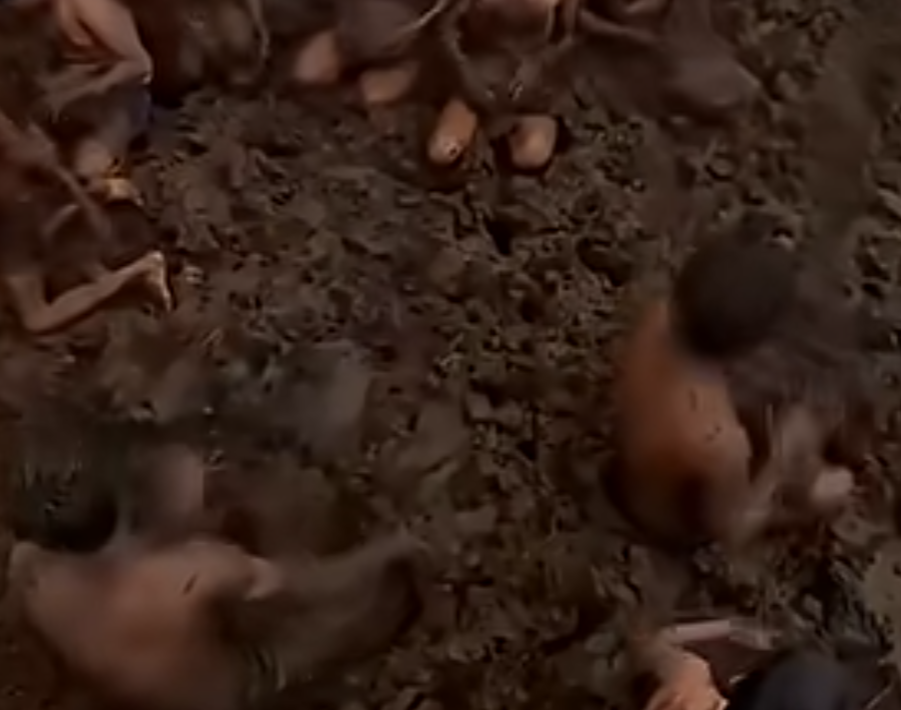
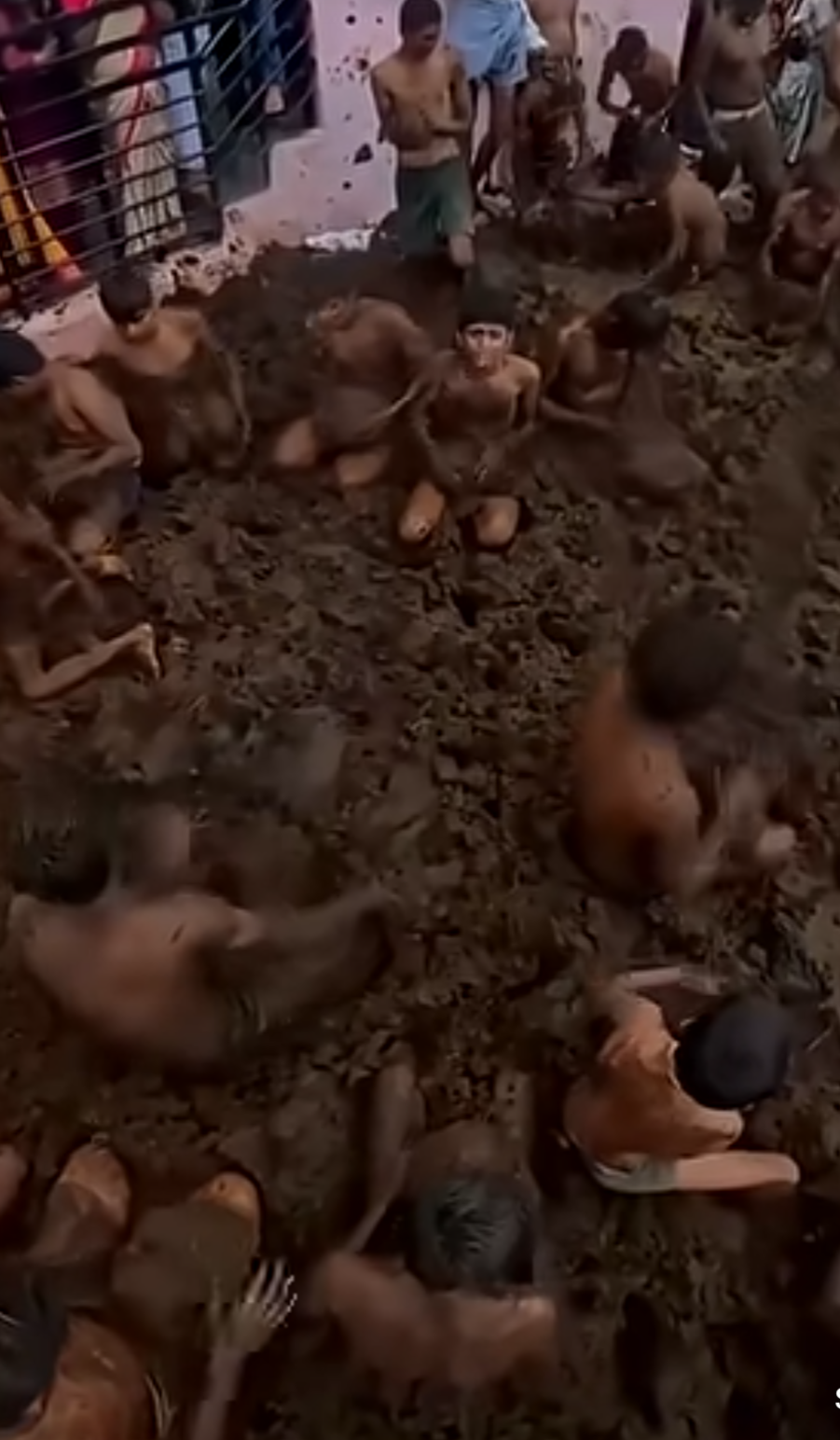
Every year, just as the rest of India is sweeping up after Diwali, one tiny border village does something gloriously, unforgettably different. It gathers in the open, and — with prayers, laughter and a great deal of joy — begins hurling handfuls of cow dung at one another. Welcome to Gore Habba, quite possibly the most unusual festival in all of India.
When is Gore Habba in 2026?
Gore Habba 2026 falls on 11 November 2026, in the village of Gumatapura, on the border of Karnataka and Tamil Nadu. The festival is held the day after Bali Padyami — the fourth day of Diwali. Plan for the morning: the rituals begin early, and the famous cow-dung celebration follows around midday.
What exactly is Gore Habba?
“Gore Habba” means “cow dung festival” in Kannada. It’s a folk celebration held in Gumatapura — a Kannada-speaking village that once belonged to Chamarajanagar district in Karnataka and now sits just across in Tamil Nadu’s Talavadi taluk. The festival is dedicated to Beerappa (also worshipped as Beereshwara), the deity of the Kuruba community.
People often compare it to Spain’s La Tomatina — a joyful, chaotic pelting festival — but Gore Habba carries deep spiritual meaning that a tomato fight does not. For the villagers, cow dung is sacred and purifying, and this is an act of devotion as much as celebration.
The story behind the festival
According to local legend, the god Beerappa was born from cow dung — which is why devotees honour him by splashing it on one another. Villagers also believe the ritual has healing power: that taking part in the cow-dung game can cure illness and disease. It’s one of the reasons the tradition has survived, joyfully intact, for hundreds of years.
The day itself unfolds as a full ritual, not just a free-for-all. From early morning, villagers collect fresh cow dung and heap it near the Beereshwara temple. Children go door to door gathering milk and ghee for a ceremonial bath of the deity. A symbolic character called the Chadikora — dressed in leaves and grass, given a fake moustache, and paraded on a donkey — represents deceit and falsehood, a playful reminder to uphold truth and harmony in the community. Only after the prayers and processions are done does the great cow-dung celebration begin, lasting a joyous hour or two as men, women and children fling handfuls at each other amid cheers and laughter.
What makes Gore Habba so unique
- It’s one of a kind. There is genuinely no other festival quite like it — an entire village celebrating with cow dung, as an act of faith and healing.
- A festival of equality. As the villagers say, “everyone gets dirty, and everyone becomes clean again” — rich and poor, young and old, all take part as equals.
- A photographer’s dream. Few events are as visually striking. (A note of respect: always seek permission before photographing people, especially women.)
- Authentically local. This is not a staged tourist event. It’s a living village ritual — which is exactly what makes witnessing it so special.
How to reach Gumatapura
Gumatapura sits on the Karnataka–Tamil Nadu border in the Talavadi region. The nearest major access points are Mysuru (about 80–90 km) on the Karnataka side and Erode (about 70–80 km) on the Tamil Nadu side, with local buses and taxis connecting onward to the village. Because it’s remote and the celebration is timed to the lunar calendar, a little planning goes a long way.
Planning your trip with Travebrate
Gore Habba is a perfect example of what we do at Travebrate. It’s the kind of extraordinary, deeply local moment that most travellers never even hear about — happening in a village you’d struggle to find, on a date that moves every year. We’re India trip planners based in Udupi, Karnataka, and our whole craft is timing: we track over 300 festivals so you land in the right place at exactly the right moment, and we tell you the story behind what you’re seeing, so you understand the culture rather than just watch it.
And because Gore Habba falls right after Diwali, it slots beautifully into a wider November journey — pair it with the festival of lights, the palaces of Mysuru just up the road, or a broader South India route. We plan it around your pace and your interests, deliver a day-by-day PDF itinerary, and you book it your way through a travel agent of your choice. We don’t book flights or hotels ourselves — staying independent keeps every suggestion about your experience, never a commission. Our personalised itinerary is a flat USD 100.
And here’s where knowing the calendar really pays off. Gore Habba doesn’t happen in isolation — the same post-Diwali window in Karnataka lights up with two other remarkable events. The Deviramma Jatre at Deviramma Betta, a striking hill-shrine pilgrimage, and the rare opening of the Hasanamba Temple in Hassan — a goddess temple that opens its doors for just a few days each year — both fall in this same season. Time your trip well and you can witness all three in a single journey. That’s the kind of once-a-year alignment most travellers never even know to look for.
Plan your Gore Habba trip
Tell us your travel dates and we’ll build a November itinerary around them — Gore Habba, the Deviramma Jatre and the rare Hasanamba temple opening all fall in this window, so we can weave them into one journey, timed so you catch the moments most travellers miss.
Custom India itineraries from USD 100 · We craft the experience; you book the trip your way.
Gore Habba · 11 November 2026 · Gumatapura, Karnataka–Tamil Nadu border.